

The Philippines, as a nation deeply integrated into the global economy and situated in a region prone to natural disasters, faces multifaceted challenges influenced by international events. Understanding these global dynamics is crucial for developing effective national strategies.
Economic Vulnerabilities Amid Global Conflicts
Recent geopolitical tensions, notably the conflict in Iran, have had significant repercussions worldwide. The closure of the Strait of Hormuz disrupted approximately 20% of the global oil supply, leading to a surge in fuel prices. Given that the Philippines imports 98% of its oil from the Middle East, this disruption has been particularly impactful. In response, President Bongbong Marcos declared a state of national energy emergency, emphasizing the urgency of addressing the nation’s energy security. The Philippine Institute for Development Studies highlighted that this crisis could potentially push between 1.3 million to 3.1 million Filipinos into poverty, underscoring the profound economic implications of distant conflicts. [Source: Wikipedia]
Environmental Challenges Exacerbated by Climate Change
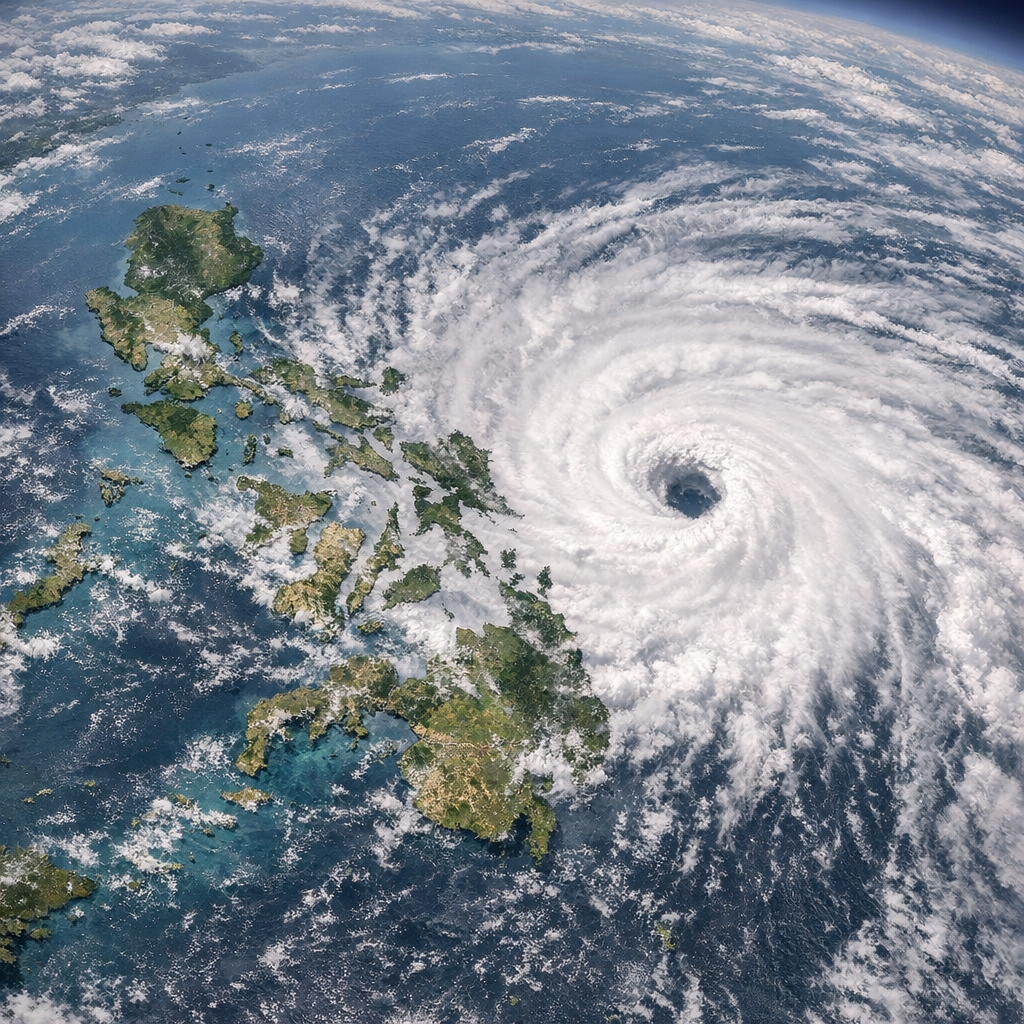
Climate change continues to intensify the frequency and severity of natural disasters in the Philippines. In November 2025, the country faced two successive typhoons—Typhoon Kalmaegi (Tino) and Super Typhoon Fung-Wong (Uwan)—which collectively affected over 12 million people and displaced more than 466,000 individuals. These events highlight the pressing need for anticipatory action and robust disaster preparedness. The United Nations Office for the Coordination of Humanitarian Affairs (OCHA) emphasized the importance of acting ahead of disasters to mitigate their impact. [Source: United Nations]
Strategic Responses and Future Outlook
Addressing these intertwined economic and environmental challenges requires a multifaceted approach. Strengthening energy security through diversification of energy sources and investing in renewable energy can reduce dependency on volatile international markets. Additionally, enhancing disaster preparedness and implementing climate-resilient infrastructure are vital steps toward mitigating the adverse effects of climate change. By proactively addressing these global challenges, the Philippines can build a more resilient and sustainable future.