

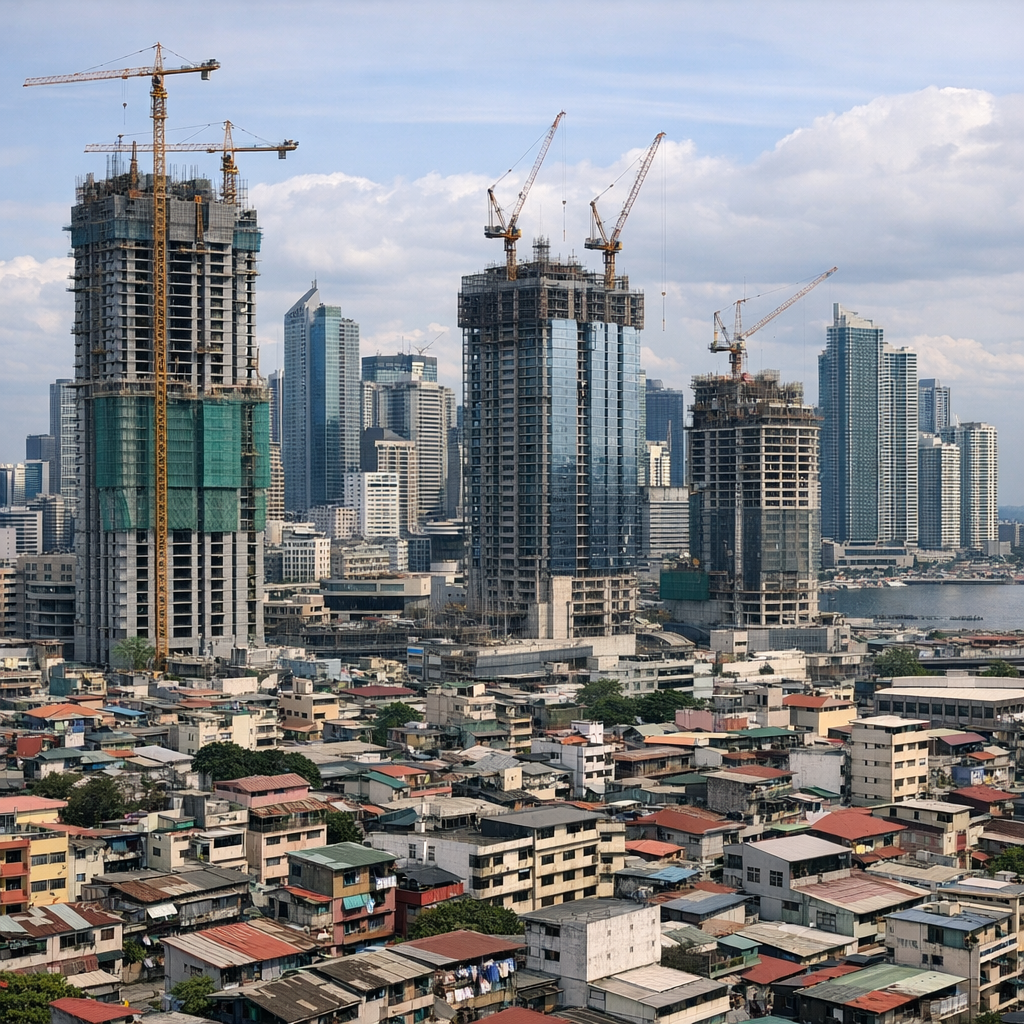
Manila’s real estate market is undergoing significant transformations, influenced by shifting buyer preferences, rental market adjustments, and ongoing development projects. Understanding these changes is crucial for prospective buyers, renters, and investors.
Market Trends and Buyer Behavior
The residential property market in Metro Manila is recalibrating as demand eases and rental rates normalize. The condominium inventory has reached approximately 775,400 units, with a substantial portion of unsold units concentrated in the upper-middle to upscale segments priced between ₱4 million and ₱12 million. This highlights a growing affordability gap for the broader middle-income market. Buyers are increasingly seeking value-driven opportunities, exploring secondary market deals and developer promotions. Rental rates are returning to real market levels after years of distortion, which is healthy for long-term sustainability. However, affordability remains a significant challenge, and addressing this gap is critical to encouraging broader market participation.
Rental Market Dynamics
Rental yields in Metro Manila have been modest, with current rents reflecting actual demand. The market is in a recalibration phase, with a shift from speculative buying to more value-driven strategies. Buyers are exploring secondary market deals and developer promotions. Rental rates are normalizing after years of distortion, which is healthy for long-term sustainability. However, affordability remains the biggest challenge, and addressing this gap is critical to encouraging broader market participation.
Development Projects and Infrastructure
Manila’s real estate landscape is also shaped by ongoing development projects and infrastructure improvements. The city has 118 active projects across 50 developers, indicating a robust pipeline. Notable developers include Vista Residences and Anchor Land Holdings Incorporated. A market with multiple credible developers competing on the same address signals that the area has graduated past speculative-launch dynamics into competitive market-rate pricing, which is beneficial for buyers. Additionally, infrastructure projects like the Metro Manila Subway are expected to influence property values and demand in the coming years.
Conclusion
Manila’s real estate market is in a period of adjustment, with opportunities emerging for those who navigate the evolving landscape thoughtfully. Prospective buyers and renters should stay informed about market trends, rental dynamics, and development projects to make well-informed decisions in this dynamic environment.