

By Juan Reyes
Judicial Shake-Ups in Washington
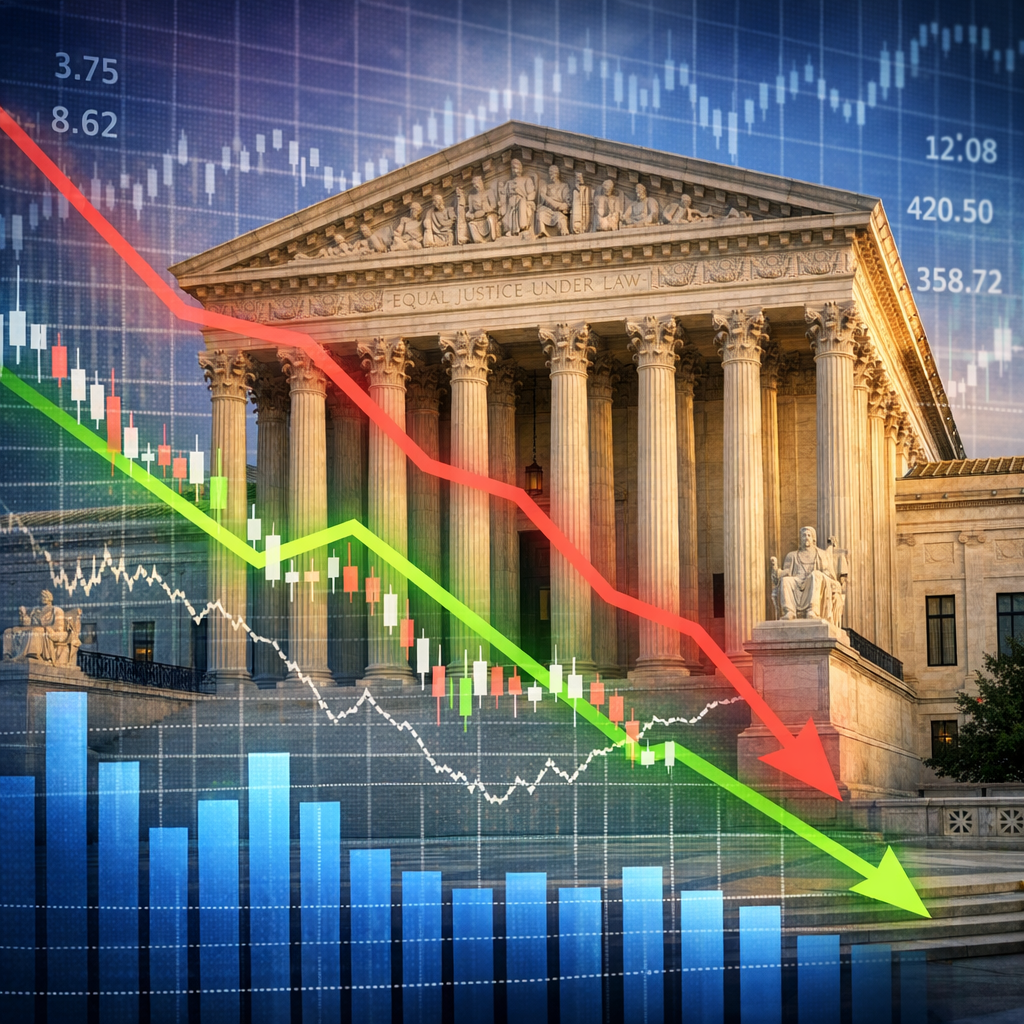
The U.S. Supreme Court has recently reshaped the balance of power between the executive branch and regulatory agencies. A landmark decision overturned a 90-plus-year precedent, allowing the President to remove leaders of independent agencies without needing a specific cause. Critically, however, the court affirmed that the Federal Reserve remains insulated from such direct political control—safeguarding a key actor in U.S. monetary policy. The move has stirred debate about limits on presidential power and the role of expertise in agency leadership.
Key Rulings and Their Stakes
- Agency independence diminished: Leaders of many independent regulatory bodies now serve at the pleasure of the President, potentially leading to policy shifts after each election.
- Liberty on monetary policy preserved: The Federal Reserve won a ruling that cements its unique role—separate from executive control—offering reassurance to markets and economists.
- Impacts beyond politics: These rulings affect health, environment, communications, and financial rule-making—all arenas regulated by federal agencies now more directly under political oversight.
Economic Signals: Slower Growth but Persistent Price Pressures
The U.S. economy continues to show signs of resilience—but with clear headwinds. Growth was modest in the most recent quarter, while inflation remains elevated in many areas important to ordinary people.
What’s Moving the Price Indexes
- Inflation trends: The latest data show inflation cooled in some sectors such as energy and core goods. But on a yearly basis, headline inflation is still well above Fed targets. Food and housing costs continue to be pressure points for consumers.
- Slower, steady growth: Gross domestic product (GDP) rose at a sluggish pace most recently, reflecting a mix of global uncertainty, higher borrowing costs, and lingering effects from past supply-chain disruptions.
- Outlook and uncertainty: Key risks include volatile energy prices and external disruptions. Policymakers aim for inflation to fall toward more stable levels, but many American households remain uneasy about economic stability.
What This Means for Observers in the Philippines
Although developments in U.S. politics and economics may feel distant, they have real implications for Manila and beyond:
- Trade policies and decisions—especially in tariffs and regulatory standards—can affect export markets and supply chains across Asia.
- Inflation trends in the U.S. often ripple globally through energy prices and commodity costs, feeding into the Philippine inflation and fiscal pressures.
- Changes in diplomatic posture or governance in the U.S. may shift how Washington engages with allies, including on issues like climate, defense, and tech regulation.
In short, the past few months in America show both shifting power dynamics at the top and economic pressures that rarely stay within borders. For Filipinos watching from afar, it’s a moment to understand how policies, court rulings, and economic growth in Washington continue to shape today’s global landscape.